A clinical overview of PRP in orthopedic and sports medicine applications
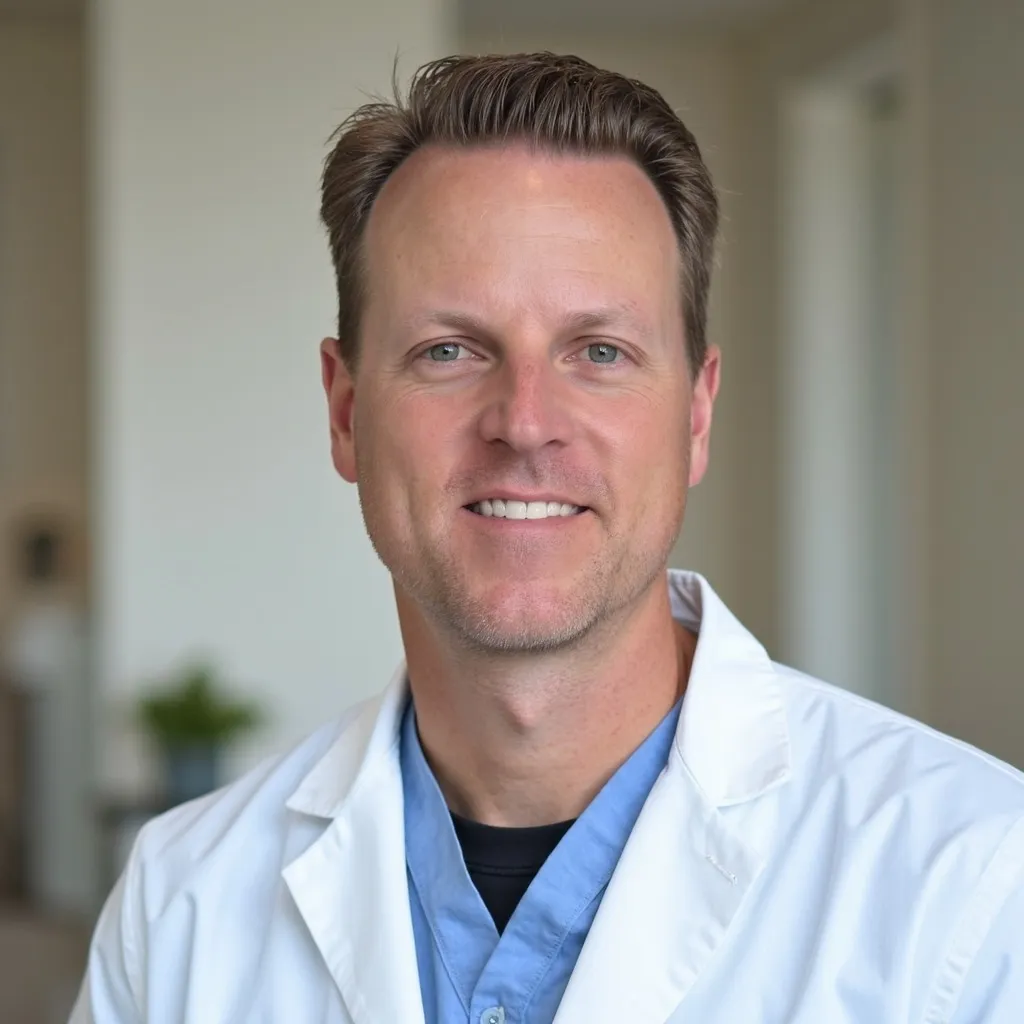
James C. Kasper, M.D. • Central Coast Orthopedics
Platelet Rich Plasma (PRP) therapy is a minimally invasive, non-surgical procedure that aims to improve pain and function using concentrated growth factors derived from your own blood.
The body's natural response to an injury is to send platelets from the blood to the damaged tissues, which initiates the healing process. Platelets store a vast array of growth factors which are released at the site of injury. Through a process called cell signaling, the platelets recruit other healing factors to the site of injury.
PRP involves concentrating these platelets and injecting them into the target area. This procedure is intended to support the body's natural inflammatory and reparative response in select cases of acute, chronic, or degenerative musculoskeletal conditions.
PRP consists of a concentrated solution of platelets, growth factors, signaling molecules and other plasma proteins that participate in inflammatory regulation and tissue homeostasis. Some published research has explored the relationship between platelet concentration and clinical outcomes, with certain studies referencing a concentration of over 1 billion platelets per mL.
The PRP preparation used in this clinic is designed to deliver a higher total platelet yield compared with baseline whole blood levels. The clinical significance of platelet concentration and volume may vary depending on the specific diagnosis, tissue environment, and individual patient factors.
PRP has been utilized in orthopedic and sports medicine settings for many years. Peer-reviewed studies have reported improvements in pain and function in select patient populations, though individual responses vary and not all patients experience the same degree of benefit.
Wondering if PRP therapy may be right for you?
Schedule a ConsultationAfter identifying the appropriate PRP formulation for your condition, the procedure is typically completed in one hour using a three-step process.
Blood is drawn from your arm — a routine draw of 20mL to 120mL depending on your specific treatment needs.
Your blood is separated into its components via centrifugation and re-centrifuged to concentrate the platelets and bioactive molecules.
The personalized PRP solution is injected into the affected area using ultrasound when needed for precise delivery.
After a standard blood draw, the sample is processed in a sterile, closed preparation system to concentrate platelets within the plasma. The resulting PRP solution is then injected into the targeted area — joint space or symptomatic soft tissue structure — using image guidance when appropriate.
The preparation system is designed to remain closed throughout processing, minimizing exposure to the external environment and maintaining sterility.
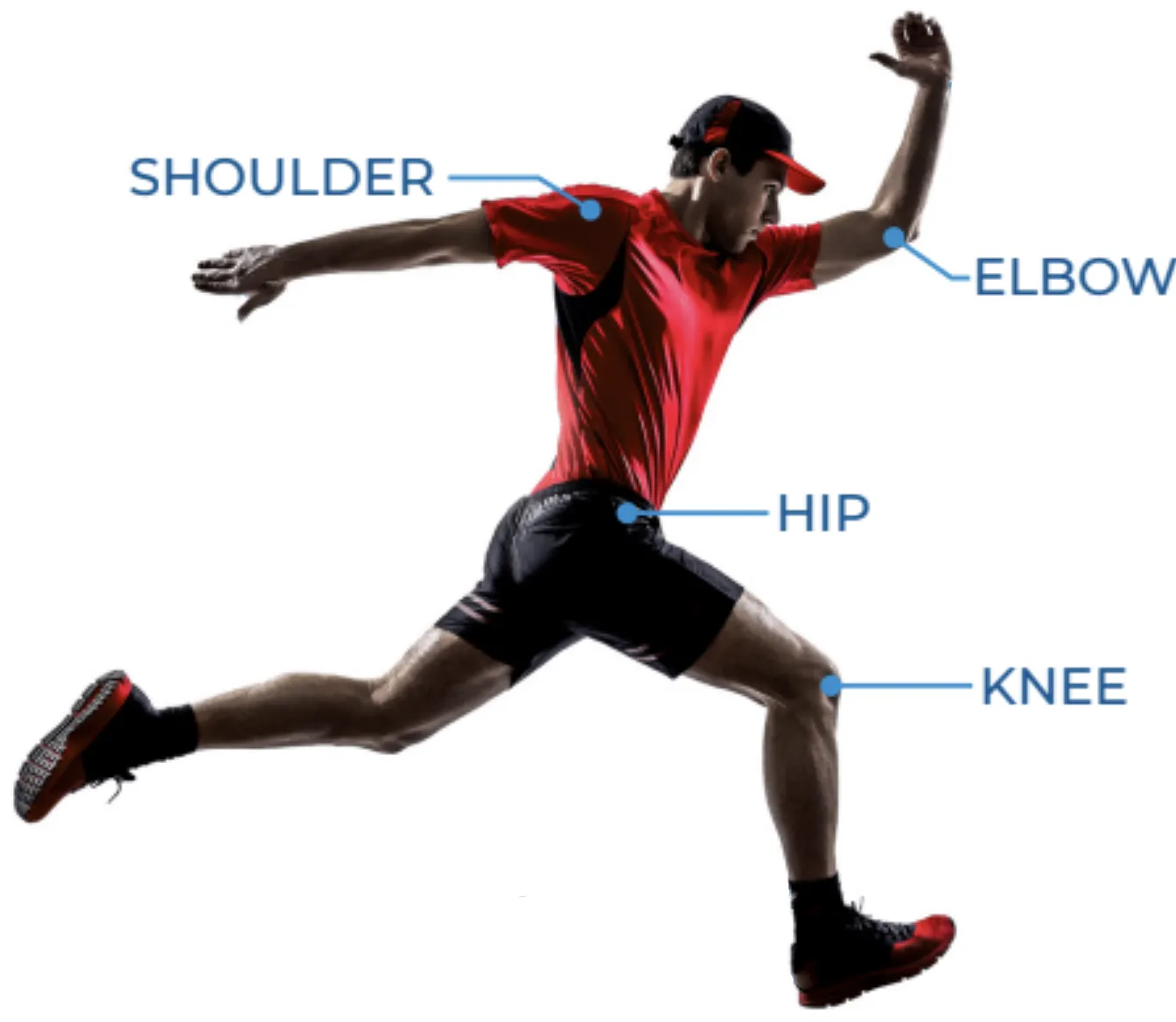
Select a body region below to view conditions for which PRP has been studied in the peer-reviewed literature. Evidence quality varies by condition.
Select a body region to view conditions for which PRP has been studied in the peer-reviewed literature.
The treatment takes 45 minutes to an hour in-clinic. Many patients resume activities immediately. Some experience a mild symptom flare-up.
Increased pain and some swelling is normal — this is the body's natural inflammatory response at the treatment site. Notify your physician if pain does not resolve within three days.
Some patients may begin to notice changes from pre-injection pain levels around this time. Individual responses vary.
Some patients may report noticeable changes around this timeframe. When improvement occurs, published literature suggests it is commonly reported around 4 to 6 weeks.
Some patients may report continued improvement over this period. Individual results vary depending on the condition treated, severity, and patient-specific factors.
Pre-procedural restrictions are necessary to ensure a good quality of PRP with high platelet integrity. Please let your provider know what medications and supplements you are currently taking.
Your treatment plan is created based upon the severity and duration of the injury or degeneration.
Ready to learn more about your treatment options?
Schedule a ConsultationBoard Certified Orthopedic Surgeon • Specializing in Sports Medicine
Dr. Kasper is a Board Certified Orthopedic Surgeon with specialty fellowship training in Orthopedic Sports Medicine. He graduated from USC School of Medicine with highest distinction and served as Chief Resident during his orthopedic surgical residency at USC.
Following residency, he completed fellowship training at the Santa Monica Orthopaedic and Sports Medicine Group, specializing in arthroscopic shoulder, knee and hip surgery, articular cartilage repair and minimally invasive surgical techniques.
921 N Oak Park Blvd STE 204
Pismo Beach, CA 93449
2342 Professional Pkwy STE 200
Santa Maria, CA 93455
"One of the best experiences I ever had! I was terrified of having a surgery but the staff was so nice and kind, my nerves calmed down. Dr. Kasper explained me what to expect before the surgery and explained in a great detail of the procedure after the surgery. Thank you!"~ H W ~
Individual experiences vary. This testimonial reflects a single patient's experience and does not guarantee similar results.
"Staff is very friendly, and helpful. Dr. Kasper and his assistant were excellent."~ R L ~
Individual experiences vary. This testimonial reflects a single patient's experience and does not guarantee similar results.
PRP treatments are typically given in the doctor's clinic and can take between 45 minutes to an hour, from pre-procedural prep all the way through to putting a bandaid on the injection site.
A tailored PRP formulation is prepared depending on your specific requirement. A routine blood draw is performed, and anywhere between 20mL and 120mL of blood is taken depending on what is needed to prepare an appropriate PRP formulation according to your needs.
The blood is then carefully separated into its various components using centrifugation and is then re-centrifuged in order to concentrate the desired cells into a usable treatment. This is then mixed with a small amount of the blood's plasma to create Platelet Rich Plasma. The PRP is then ready to be injected. The preparation system is fully enclosed, which helps maintain sterility and minimizes exposure of the sample to the external environment.
PRP injections are usually well-tolerated with a local anesthetic.
Dr. Kasper will utilize ultrasound guidance where appropriate.
Some patients resume their usual activities shortly after the procedure. Some patients experience a mild flare up of symptoms following a PRP injection. This typically resolves within a few days. Our clinical team will walk you through each step of your procedure, providing you with information and guidance on specific limitations and rehab protocols to support your recovery.
The durability of response to PRP varies by condition and individual. Some patients may experience sustained improvement, while others may require additional treatment. If the underlying cause of the injury is not addressed (such as biomechanical factors contributing to joint stress), ongoing wear and tear may continue. For this reason, PRP is typically considered as part of a comprehensive approach that may include structured physical therapy and other adjunctive therapies.
Multiple clinical studies have examined PRP for conditions including early to advanced osteoarthritis, as well as knee and shoulder pathology. Several of these studies have reported improvements in pain scores and functional outcomes, particularly when PRP is combined with lifestyle modifications and structured rehabilitation. Study findings reflect specific patient populations under defined protocols and are not uniform across all cases. Evidence quality varies by diagnosis, and not all patients respond to treatment.
Because PRP is an autologous preparation derived from your own blood, the risk of allergic reaction or immune-mediated adverse events may be lower than with some other injectable substances. As with any injection, there is a minor risk of infection, bleeding and damage to local structures. To limit this, your provider will cleanse the area of injection and follow universal precautions.
PRP is prepared from your own blood and used during the same visit. Because it is autologous (derived from your own body), immune rejection is not expected. As with any injection, there remains a small risk of infection or localized reaction. The blood draw and injection are performed under sterile conditions using aseptic technique to minimize these risks.
The characteristics of PRP composition may influence clinical outcomes. There are a wide variety of commercially available kits which deliver very different cellular products. The red and white blood cell counts, platelet yield and the ability to concentrate the product efficiently vary significantly across systems. Variances in these categories may influence clinical outcomes.
PRP may be considered for patients who have not achieved adequate improvement with conservative treatments such as steroid injections, viscosupplementation, physical therapy, or bracing. It may also be discussed as an option for patients who wish to explore non-surgical alternatives. Candidacy is determined through clinical evaluation.
PRP therapy may be considered by some patients with certain musculoskeletal conditions who are exploring nonsurgical treatment options. Examples of conditions that have been studied in the medical literature include some tendon injuries, certain ligament sprains, and mild to moderate osteoarthritis of joints such as the knee.
PRP is not appropriate for every condition or every patient. The potential role of PRP depends on factors such as the specific diagnosis, severity of tissue damage, prior treatments, and overall health.
During a consultation, Dr. Kasper evaluates these factors and discusses whether PRP may be a reasonable option to consider as part of an individualized treatment plan.
Evidence regarding PRP varies by condition, and individual responses to treatment can differ.
In some patients with knee osteoarthritis, PRP may be considered prior to surgical intervention. A randomized controlled trial compared PRP injections with placebo and reported differences in pain and function scores. Results vary by outcome measure, patient population, and study design. Whether PRP is appropriate depends on the individual's clinical presentation, imaging findings, and treatment history. This should be discussed during consultation.
This depends on the type of procedure performed. For example, in the setting of microfracture surgery for articular cartilage lesions, some studies have compared outcomes when the procedure was augmented with PRP versus microfracture alone, with differences observed in patient-reported outcome scores. Results vary by study design and patient population. Discuss with your surgeon whether PRP may be appropriate as an adjunct to your specific procedure.
PRP is prepared from a patient's own blood using FDA-cleared devices. However, PRP itself is not classified as an FDA-approved drug or biologic. Because PRP is an autologous product — derived from and used on the same individual — it falls outside the traditional FDA drug approval pathway. The FDA regulates the devices and kits used to prepare PRP, but does not approve or disapprove the final platelet concentrate as a standalone therapeutic product.
The cost of a PRP treatment varies based on the procedure performed. Our office staff can assist you with payment options and answer any other questions you may have.
Although PRP in musculoskeletal applications is supported by a growing body of clinical literature, the broader use of PRP therapy is still considered relatively new at this time. Because of this, PRP is not typically covered by commercial insurance companies or Medicare, and is provided as a cash pay procedure. Our office staff can assist you with additional questions.
To schedule a consultation with Dr. Kasper, please contact our office below. Consultations are informational and help determine whether PRP may be appropriate for your situation.
Our office staff can assist you with payment options, scheduling, and any other questions you may have about PRP therapy.
Fill out the form below and our team will be in touch.